Vulnerable by Design: How Noelle Toland Is Quietly Redefining Country Music
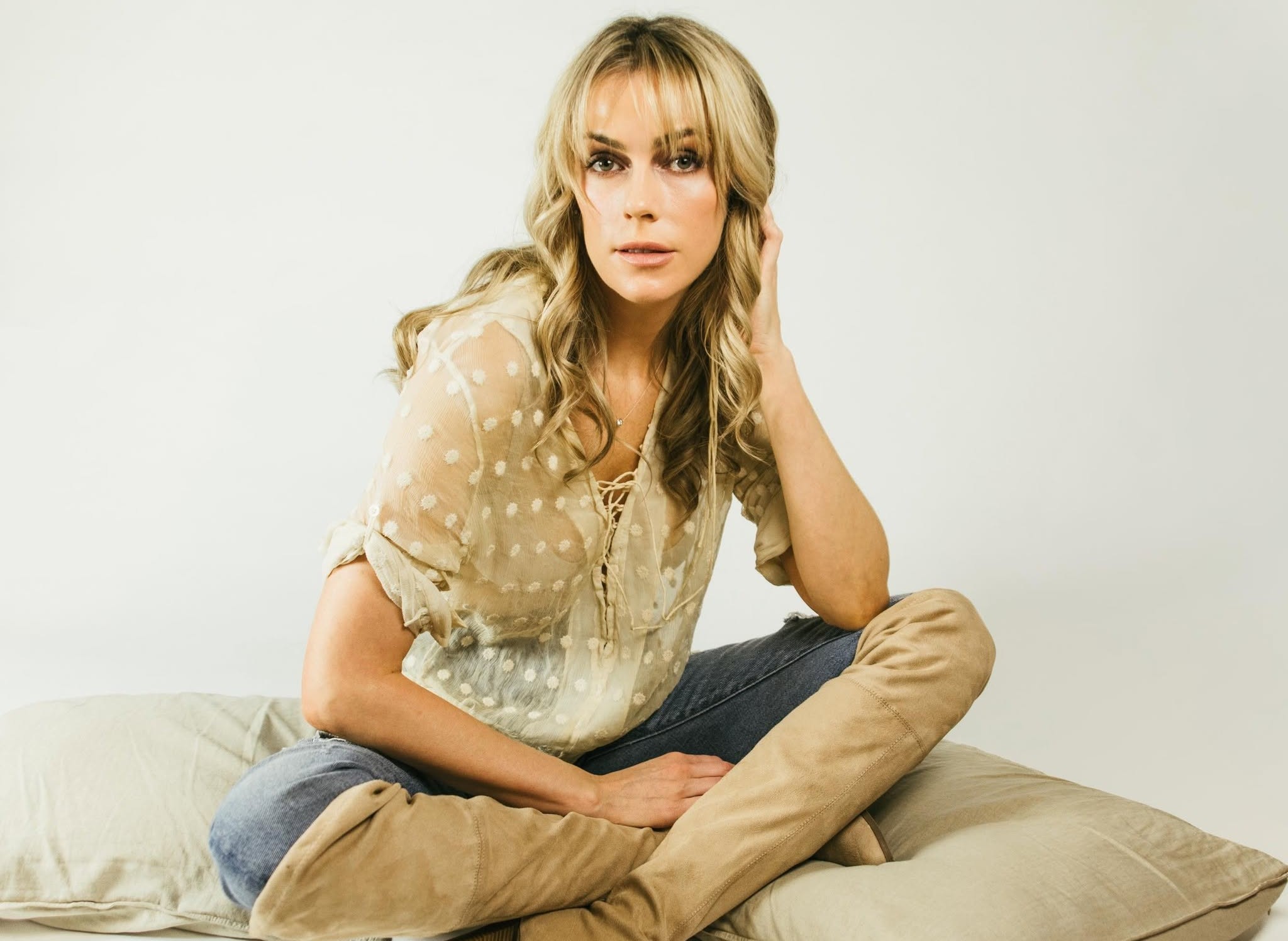
Behind every beautiful melody is a storyteller who has lived every word. Noelle Toland is proving that country music still has room for artists who value honesty over hype, connection over algorithms, and songs that leave a lasting mark instead of chasing a fleeting trend.
There is something refreshing about an artist who is completely comfortable admitting she does not have all the answers. Throughout her conversation with Press Play Radio Conversations, Toland never presents herself as someone who has figured out the music business. Instead, she comes across as someone who has figured out something far more important. She knows exactly why she creates.
That purpose is woven into every part of her career. Whether discussing literature, mythology, acting, songwriting, or the realities of surviving as an independent artist, Toland approaches each topic with curiosity instead of ego. She is as likely to recommend a Rick Rubin book or discuss Greek mythology as she is to talk about country radio. That intellectual curiosity gives her music an uncommon depth and makes it easy to understand why every song begins with a story.
Her latest single, Handmade, may be one of the most fitting metaphors to emerge from Nashville in recent memory. Co written with Pete Sallis, the song compares falling in love to giving someone a handmade gift. It is precious because it is personal, fragile because it has been carefully assembled, and impossible to replace once broken. Toland expands the idea even further by referencing the Japanese art of repairing shattered pottery with gold, suggesting that hearts rebuilt after heartbreak often become even more beautiful than they were before. It is a perspective born from experience rather than theory, and that authenticity is exactly what gives the song its emotional weight.
Listening to Toland speak about songwriting feels like listening to someone defend an endangered craft. In an era dominated by playlists, metrics, and viral moments, she remains convinced that country music is ultimately about storytelling. She points to classics like Don't Take the Girl and Fancy as examples of songs that transcend entertainment because they invite listeners into someone else's life. For Toland, melody may capture attention, but narrative is what creates permanence.
That philosophy becomes even more impressive when contrasted with the realities of today's music industry. Independent artists no longer simply write songs and perform them. They are expected to become editors, marketers, videographers, social media strategists, and data analysts, all while somehow finding time to remain creative. Toland openly admits that spending hours editing a fifteen second video only to watch it disappear into the endless scroll can be discouraging. Still, she refuses to let frustration become bitterness. Instead, she chooses optimism, viewing every new platform as another opportunity to connect with listeners.
Perhaps the most revealing moment of the interview comes when she explains why she has never seriously considered walking away from music. There are difficult days. There are tears. There are setbacks. But there is never surrender. Toland speaks with the quiet confidence of someone who understands that comparison steals joy and that success cannot be measured by someone else's timeline. Her responsibility, as she sees it, is simply to keep writing better songs, trust God's direction, and continue showing up. That mindset may be the strongest foundation any artist can possess.
It is also impossible to ignore the compassion that drives her work beyond the stage. Toland regularly visits children's hospitals with her guitar, expecting requests for familiar cover songs. Instead, young patients ask to hear her originals. One song in particular, Sun Will Rise, has become a source of comfort for people navigating difficult chapters of their own lives. Those moments remind her that changing one person's day can be every bit as meaningful as climbing another chart.
Even her ambitions remain grounded in connection rather than celebrity. Asked where she sees herself in five years, she talks first about touring and meeting fans. Awards would certainly be welcome, but standing in front of an audience, sharing stories through songs, remains the destination she values most. That perspective explains why she can perform for thousands at CMA Fest with the same gratitude she brings to a room of only a handful of listeners.
There are artists who chase trends, and there are artists who quietly build careers that outlast them. Noelle Toland feels like the latter. She carries herself with the grace of classic country, the discipline of a dedicated actor, and the optimism of someone who believes tomorrow's best song has not yet been written.
Faith Hill comparisons may naturally come because of her voice and presence, but reducing Toland to anyone else's shadow would miss the point entirely. She is creating something distinctly her own, one carefully crafted song at a time. Like the handmade heart she sings about, every piece carries fingerprints that cannot be duplicated. And if her journey continues with the same authenticity that defines her music today, country fans may one day discover that they were not simply watching another promising artist emerge. They were witnessing the beginning of a storyteller whose greatest chapters are still waiting to be written.