V Torres Finds the Power in Authenticity
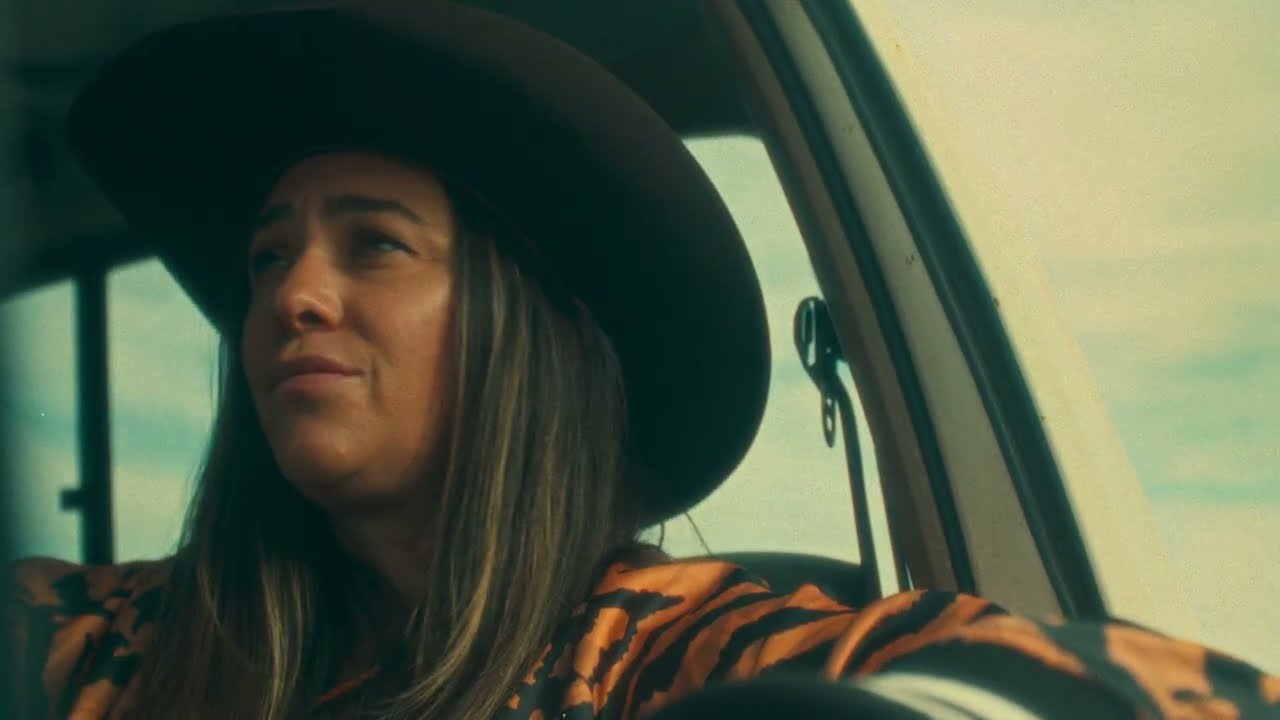
There is something unmistakably honest about V Torres. She is not chasing trends, algorithms, or the next viral moment. She is chasing truth. That commitment runs through every answer she gives, every story she tells, and every note she sings.
During her conversation with Don and Tina on Press Play Conversations, Torres reveals herself as an artist who has spent years learning that authenticity is worth protecting, even when the music industry encourages compromise. It is a philosophy that shaped her newest work and one that has quietly guided her entire career.
One of the biggest surprises comes early when Torres explains that her haunting rendition of Maps is not an original composition at all. Her slow, atmospheric interpretation completely transforms the energetic song by the Yeah Yeah Yeahs into something intimate and hypnotic. Rather than recreating the original, she rebuilt it from the ground up, inspired by an electric guitar riff, a new amplifier, and the desire to honor a favorite band in her own voice. The result became one of those rare cover songs that listeners often fail to recognize because it stands confidently on its own.
That willingness to reinterpret rather than imitate says everything about her artistic instincts. Torres is less interested in recreating familiar sounds than discovering where a song can travel when viewed through a different emotional lens.
Music surrounded her from childhood. Her parents filled the house with vinyl records, creating an education that stretched from Joni Mitchell, James Taylor, and Carole King to Steely Dan, Earth, Wind and Fire, psychedelic rock, soul, and eventually the explosive influence of Jimi Hendrix and Janis Joplin. Those contrasting worlds gave her permission to ignore musical boundaries from an early age.
As a teenager, that foundation expanded into the world of Nineties alternative music. Hole, Nirvana, Pearl Jam, Tracy Bonham, Tori Amos, and even Nineties hip hop became part of the soundtrack that helped shape her identity. What connected many of those artists was not simply their music but their willingness to be imperfect, expressive, and unapologetically themselves.
That appreciation for imperfection appears again when she discusses Karen O of the Yeah Yeah Yeahs. Torres admires the rawness, unpredictability, and fearless performance style that made the band feel unlike anything else arriving during that era. It was never about technical perfection. It was about emotional honesty.
Those same values are embedded in Woman, the title track of her upcoming album. The song explores the endless emotional labor that so many women experience throughout life. Although Torres is not a mother herself, she drew inspiration from conversations with women who had reached the point where raising children had ended and rediscovering themselves had finally begun. Through live performances, she quickly realized the song belonged to far more people than herself. Women regularly approached her after concerts convinced she had somehow written their personal story.
It is that ability to create connection without forcing it that makes Woman resonate so deeply. Rather than offering easy answers, Torres acknowledges healing as an ongoing process, one that continues long after life's biggest responsibilities have seemingly ended.
Her own path toward deeper self awareness included becoming a certified yoga instructor. She describes months of intensive teacher training that became as emotionally revealing as therapy, exposing stories, wounds, and perspectives shared among women from different generations and backgrounds. Those experiences naturally found their way into her songwriting without becoming preachy or overly literal.
Musically, Woman refuses to fit comfortably inside one genre. It carries elements of indie rock, singer songwriter traditions, cinematic storytelling, and subtle Latin influences that reflect her Mexican heritage. Torres even embraces the image of the song feeling like a horse galloping endlessly forward, mirroring the emotional momentum behind its lyrics. The arrangement becomes another storyteller alongside the words themselves.
Perhaps the most revealing moment of the interview arrives when the conversation turns toward today's music industry. Torres openly acknowledges the pressure artists face to create content designed purely for attention spans measured in seconds. She understands why those strategies exist, yet ultimately stepped away from them because they no longer felt authentic.
Instead of releasing disconnected singles simply because the industry expects it, she chose to create a complete album. For Torres, albums still matter. Songs belong together. They tell larger stories when experienced from beginning to end. She believes listeners who truly care about music still want that experience, especially as vinyl and physical formats continue finding new audiences.
That same conviction shaped her role behind the recording console. For the first time, Torres stepped into the role of co producer, discovering confidence in her own creative instincts. Rather than allowing outside voices to reshape her music into something more commercially acceptable, she trusted her own ears.
It was not always that way.
She recalls previous opportunities where industry expectations encouraged her to become someone else. There were suggestions to stop playing guitar, change her appearance, and fit a more marketable image. She walked away. Looking back, she has no regrets. Success achieved by sacrificing authenticity was never success she truly wanted.
That confidence carries into the songs themselves. One track on the upcoming record, That Night, delivered one of those unforgettable moments every musician hopes to experience. Hearing the layered vocal arrangement for the first time gave her chills, confirming that the song had become something even greater than she originally imagined.
Throughout the conversation, Torres returns repeatedly to the idea that music should move people emotionally before it moves numbers on a screen. Whether discussing Joni Mitchell, Prince, Regina Spektor, Waylon Jennings, or the memories attached to songs from childhood, she speaks less about fame and far more about emotional connection.
That perspective ultimately defines her work.
V Torres is not trying to become someone audiences expect. She is inviting audiences into the person she already is. In a musical landscape increasingly driven by speed and disposable content, that kind of patience feels almost rebellious. Her songs ask listeners to slow down, sit with the emotion, and experience the story from beginning to end.
Sometimes the boldest thing an artist can do is refuse to become anyone else.