Tropidelic Found the Light. Rex Larkman on the Album That Refused to Follow the Rules
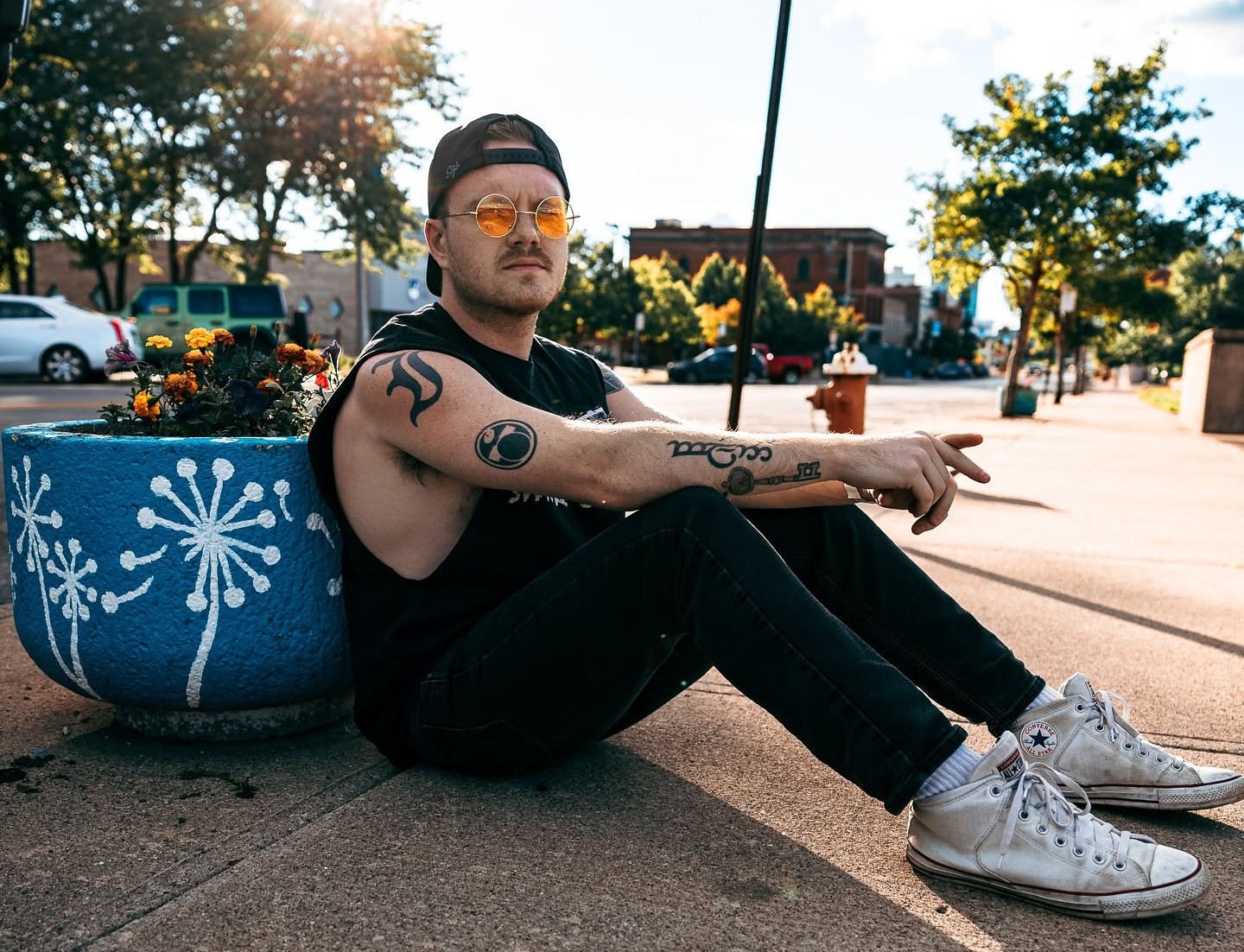
For a band that has spent years refusing to live inside a single genre, finding an identity might seem like an impossible task. Tropidelic has always borrowed from reggae, rock, hip hop, funk, punk, and pop without ever sounding confined by any of them. Yet during his conversation with Press Play Conversations, drummer Rex Larkman reveals something unexpected. First Light is the first album where the band truly feels like they discovered exactly who they are.
Ironically, that discovery begins with the very first lyric on the record.
Opening track "Signals" invites listeners to "find out who we are," a line that perfectly captures the band's mindset while making the album. It was not an identity crisis. It was an identity search. After leaving numerous songs on the cutting room floor, Tropidelic deliberately chose twelve tracks that belonged together, creating one cohesive listening experience rather than a collection of disconnected singles.
That philosophy became the heartbeat of First Light.
Larkman speaks passionately about something many artists no longer discuss in the age of streaming. Track order matters.
He lights up when describing the process of sequencing an album, comparing it to reading a book from beginning to end rather than jumping into the middle. Every transition, every rise and fall, every emotional shift was carefully considered. The first six songs establish one atmosphere before naturally leading listeners into the second half. For Larkman, building an album is like assembling a puzzle where every piece has to fit before the picture makes sense.
It is an increasingly rare perspective in a world dominated by playlists and shuffled listening habits.
What makes First Light particularly compelling is that the band's musical evolution never feels forced. Instead of chasing trends, Tropidelic leaned into the sound that best represented the musicians they had become. Larkman describes "Out There" as the creative spark that ultimately shaped the direction of the entire record, becoming the blueprint around which everything else was written. That decision gave the album an uncommon sense of continuity without sacrificing the adventurous spirit fans have come to expect.
That same maturity extends to Larkman's drumming.
Growing up idolizing legends like Neil Peart, Chad Sexton, and John Bonham, he naturally gravitated toward technical playing. Like many young drummers, there was a temptation to fill every measure with another flourish, another complicated pattern, another opportunity to impress.
Today, his priorities have completely changed.
Recording First Light taught him that simplicity often carries more emotional weight than complexity. Rather than playing to showcase his abilities, he focused on playing for the song itself. Every beat exists to support the vocals, elevate the melodies, and strengthen the groove. Live performances still give him the freedom to stretch out and experiment, but in the studio, restraint became the greatest display of musicianship.
It is a lesson he credits, in part, to Neil Peart himself, who later in his own career spoke about relearning simplicity after decades of progressive brilliance.
That willingness to serve the music also appears in the band's collaborations.
Whether working with The Movement, Quasi Kings, or Little Stranger, Larkman never describes featured artists as strategic additions or marketing opportunities. They are simply friends. Years of touring have transformed fellow musicians into an extended family, making every collaboration feel authentic rather than manufactured. It is another reminder that Tropidelic's community extends well beyond the members standing on stage each night.
Perhaps nowhere is that community more evident than Everwild, the band's annual festival in Ohio.
Listening to Larkman describe standing behind his drum kit as thousands of fans move together is one of the interview's defining moments. He recalls seeing an entire crowd bouncing in unison, creating the same overwhelming feeling he experienced years earlier as a teenager watching A Day to Remember for the first time. Life had come full circle. The inspiration he once found in someone else's performance had become the experience he now creates for others.
For him, that is the real reward of making music.
It is not chart positions or streaming numbers.
It is watching complete strangers forget about work, stress, bills, and the endless negativity of everyday life for one unforgettable night.
That theme ultimately becomes the heart of First Light.
Larkman repeatedly returns to the same idea throughout the conversation. The world already has enough criticism. Enough arguments. Enough division. Tropidelic wanted to create something that simply made people feel better.
Songs like "No Fear," "Holiday," and "Home to You" were intentionally written to encourage optimism, gratitude, love, and connection. The response has exceeded their expectations, with fans telling the band these songs arrived exactly when they needed them most. For Larkman, there is no greater compliment than hearing someone say an album helped brighten a difficult chapter of life.
It is refreshing to hear an artist speak so openly about kindness without sounding naïve.
Tropidelic understands the chaos of modern life. They simply refuse to contribute to it.
Instead, they have chosen to build something that feels increasingly rare in today's music landscape. An album designed to be experienced from beginning to end. A collection of songs connected by hope instead of outrage. A record that reminds listeners there is still value in lifting each other up rather than tearing each other down.
First Light is more than another chapter in Tropidelic's career.
It is the sound of a band that finally stopped asking who they were and started showing the rest of us.