The Quiet Fire of Vinnie Moore
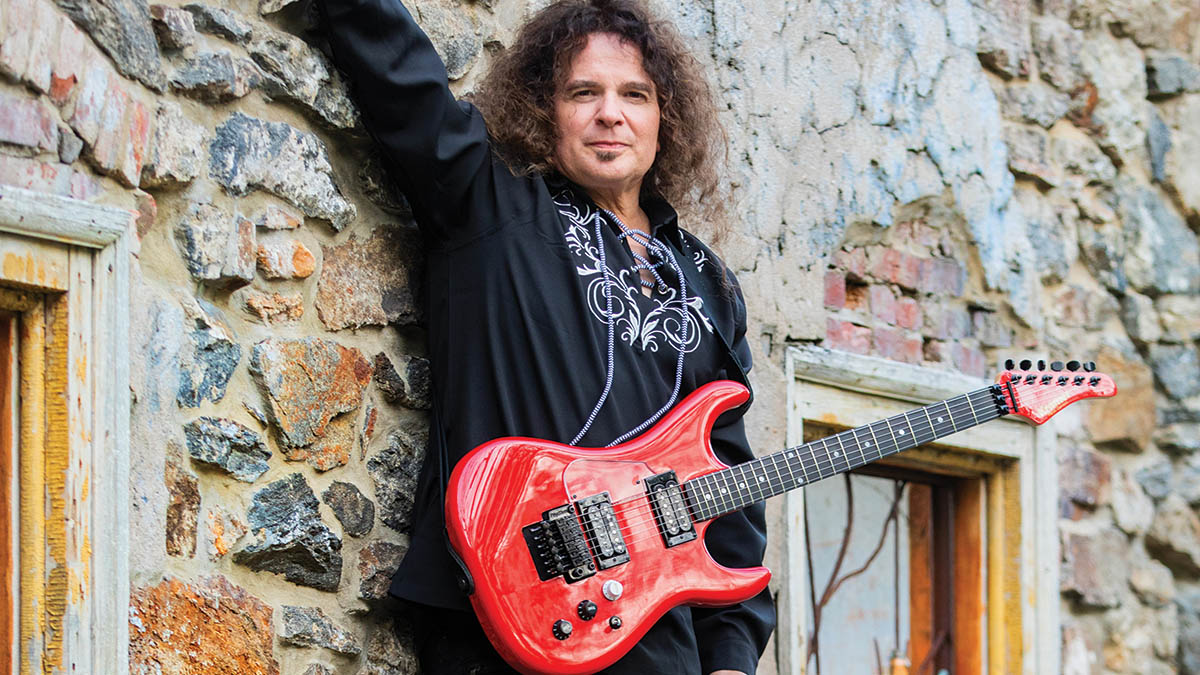
Some musicians spend their careers chasing speed. Others spend their lives searching for the perfect note. Vinnie Moore has always belonged to the second group. While his technical ability has earned him a place among rock's elite guitarists, it is his unwavering commitment to melody that continues to define a career spanning decades.
During his conversation with Press Play Conversations, Moore comes across exactly as his music suggests. He is thoughtful, humble, endlessly curious, and still completely captivated by the instrument that first consumed his teenage years. Long before the tours, the studio sessions, and the legendary bands, there was simply a young guitarist who became so obsessed with improving that he routinely practiced for eight to twelve hours a day. He woke up before school to squeeze in another hour, willingly sacrificing a social life in exchange for becoming the player he imagined.
That relentless dedication eventually paid off. His signature style found its way onto acclaimed solo albums, Alice Cooper's Hey Stupid, and countless recordings with UFO. Yet despite a résumé that would satisfy most musicians, Moore still hears room for improvement every time he listens back to his own work. He laughs about wanting to change old solos, hearing tiny imperfections nobody else notices, and knowing when to step away before perfection becomes the enemy of finishing a song.
His approach to songwriting reveals why his music continues to resonate. Moore is never interested in playing fast simply for the sake of speed. Every solo begins with the hope that inspiration will appear once he picks up the guitar. Sometimes it arrives instantly. More often it is carefully shaped, refined, and built piece by piece until the melody feels like something listeners could almost sing back. For him, memorable always outweighs flashy.
When asked where that inspiration comes from, Moore admits he cannot fully explain it. Some musical ideas feel as though they arrive from somewhere beyond himself, almost as if he is simply present when they appear. It is a perspective shared by many artists who understand that creativity often feels less like control and more like receiving a gift.
His influences reflect the rich musical landscape that shaped an entire generation. Deep Purple, Led Zeppelin, Queen, The Beatles, Jimi Hendrix, Jeff Beck, Richie Blackmore, Carlos Santana, Van Halen, Ted Nugent, Motown, Elton John, and Eric Clapton all left fingerprints on his musical development. Moore speaks about these legends not as distant icons, but as companions who helped build his musical vocabulary through family record collections, borrowed albums, and countless hours slowing records down just to learn another guitar phrase.
Despite becoming an influence himself, Moore remains remarkably grounded. When told that younger players have clearly borrowed elements of his sound, he accepts the compliment with gratitude before reminding everyone that musicians learn from one another. It is an attitude rooted in respect rather than ego, recognizing that every generation stands on the shoulders of the one before it.
His thoughts on artificial intelligence reveal the same philosophy. Moore prefers the imperfections of human performance over machine generated precision. To him, music is a human experience, one that gains its power from flaws, emotion, and individuality. Even the tiny mistakes left on classic records hold value because they remind listeners that real people created them.
That authenticity extends beyond the studio. Moore recalls finishing his work on Alice Cooper's Hey Stoopid in a single day after arriving fully prepared. He remembers years of guitar clinics where meeting fans face to face helped build lasting relationships. He still lights up discussing the opportunity to perform alongside Eric Johnson, and he happily embraces everything from UFO classics to new collaborations, including recording guitar for William Shatner's heavy metal interpretation of Crazy Train.
What becomes clear throughout the conversation is that Vinnie Moore has never measured success by fame alone. His greatest satisfaction comes from hearing that his music connected with someone else, inspired another guitarist, or helped another person through life's challenges. Those moments mean more than chart positions or accolades ever could.
In an era where technology continues to reshape how music is made, Vinnie Moore stands as proof that genuine artistry remains timeless. The gear evolves. Recording techniques change. New generations discover different ways to learn. Yet the search for one unforgettable melody, one perfectly placed note, and one honest emotional connection remains exactly the same.
For Vinnie Moore, that search is still very much alive every time he reaches for the guitar.