The Long Way Home: How Donnie Vie Finally Became the Artist He Was Always Meant to Be
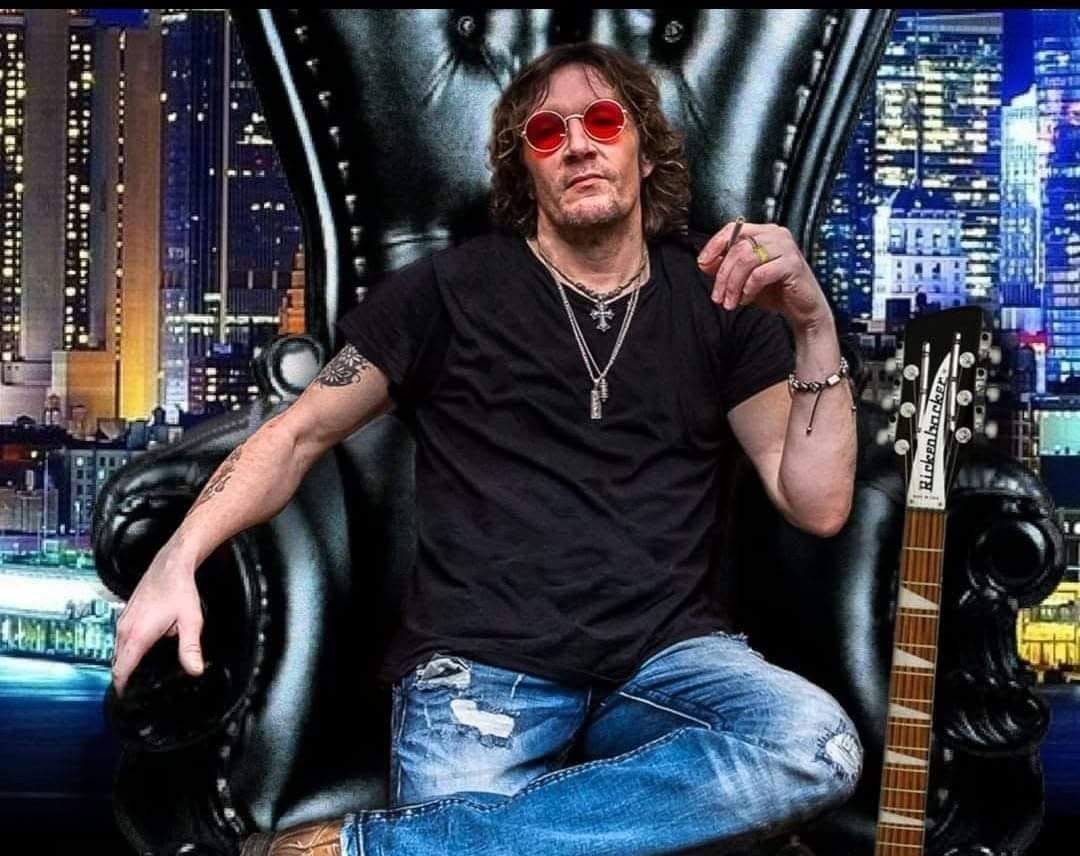
There are artists who spend their careers chasing the record they always wanted to make. Then there are artists like Donnie Vie, who eventually realize the destination was never fame, platinum albums, or sold out arenas. It was simply becoming the person capable of making that record in the first place.
Listening to Donnie Vie speak is a reminder that some of the greatest songwriters in rock history have never fit neatly into the categories history assigned them. While Enuff Z'Nuff emerged during the explosion of late 1980s hard rock, Vie never saw himself as a glam frontman or a hair metal vocalist. Long before the makeup, the colorful photos, and the MTV image, he was simply a kid from Chicago trying to survive a painful childhood with nothing more than Beatles records and an imagination that refused to quit.
That imagination became his lifeline.
Growing up isolated, insecure, and years before learning he was living with autism, bipolar disorder, and ADHD, music became more than entertainment. It became structure. Without money for records of his own, he borrowed albums, copied tapes, and spent countless hours studying every note, harmony, and arrangement he could get his hands on. The Beatles were the beginning, but Motown, Stevie Wonder, and the Jackson Five soon expanded his musical vocabulary into something uniquely his own.
For fans, those influences would eventually become unmistakable.
Songs like Fly High Michelle, Time To Let You Go, I Could Never Be Without You, and Innocence have quietly accompanied listeners through first loves, heartbreaks, family memories, and life's defining moments for decades. During the conversation, Press Play Radio host Don Thatcher shared how several of those songs became the soundtrack to different chapters of his own life.
Vie smiled at the memories before revealing something many fans had never known.
Innocence, one of the band's most beloved songs, was written for his younger sisters after their father left the family. Having helped raise them before his own career pulled him away from home for years at a time, the song became his way of staying connected to them when life no longer allowed him to be present.
It is one of those revelations that instantly changes how a song is heard forever.
That honesty defines nearly every chapter of Vie's story.
He speaks openly about years spent self medicating struggles he did not yet understand, about addiction, about hitting rock bottom, and about eventually entering a court ordered treatment program that became something far greater than simply avoiding prison. While many participants counted the days until it ended, Vie embraced the opportunity to rebuild himself from the inside out.
For nearly three years he barely touched a guitar.
He stopped writing.
He stopped singing.
He simply learned how to become healthy.
When that chapter finally ended, he found himself asking a simple question.
"What now?"
The answer arrived almost immediately.
The first song that appeared was I Could Save the World, and with it came an avalanche of inspiration unlike anything he had experienced before. Song after song poured out as quickly as he could record demos, convincing him that perhaps the most creative period of his life was not behind him after all.
That creative rebirth became Beautiful Things.
For Vie, the album represents something no previous record ever fully captured. While Enuff Z'Nuff introduced the world to his songwriting gifts, Beautiful Things reflects the artist he always imagined becoming before image, expectations, and the music business complicated everything.
It is not reinvention.
It is arrival.
That confidence is earned rather than proclaimed. Vie speaks about the record with quiet satisfaction, explaining that every album throughout his career has reflected exactly where his life stood emotionally at that moment. The early years captured celebration and chaos. Later records documented darker seasons. Beautiful Things documents healing.
It also showcases something longtime fans have celebrated since the band's earliest recordings: his remarkable gift for vocal harmony.
Vie still builds the towering vocal arrangements himself, stacking layer after layer with painstaking precision before occasionally inviting longtime friend Phil Angotti to reinforce certain parts. He describes harmonies almost like architecture, explaining how one imperfect note can collapse the entire structure.
It is the kind of obsessive craftsmanship that separates gifted singers from true vocal arrangers.
The album also reunites him with world class musicians, including guitarist Paul Gilbert, whose explosive opening performance immediately announces that Beautiful Things has no interest in quietly introducing itself.
Yet perhaps the most surprising moment comes when Vie discusses his own voice.
Decades after recording the songs that introduced him to the world, he still possesses the unmistakable tone that defined an era. Asked how he has maintained it, he laughs at the irony.
He admits he never followed conventional vocal routines. No elaborate warmups. No carefully protected regimen. He simply sang.
Even he seems surprised it is still there.
Throughout the conversation, humor remains close by. Stories about Rush being his first concert, sitting backstage watching Gene Simmons transform into The Demon during Kiss's reunion tour, and laughing about the overwhelming number of interviews surrounding his latest release reveal someone who has learned not to take himself too seriously.
What he does take seriously is songwriting.
Near the close of the interview, Tina reminded him that there is a reason he possesses his talent and that the world still needs to hear it.
Vie answered with the kind of line only someone who has lived every word could deliver.
"I've been wanting to share it. I've been making this stuff. It's the world that hasn't shared it with me."
It is not bitterness.
It is hope.
Because for the first time in a very long time, Donnie Vie sounds less interested in reclaiming the past than embracing whatever comes next. He already has another album written. The songs are waiting. The voice remains unmistakable. The inspiration has returned.
Sometimes the longest journey an artist ever takes is not to the top of the charts.
Sometimes it is simply finding the courage to become exactly who they were all along.