The Long Road to the Light
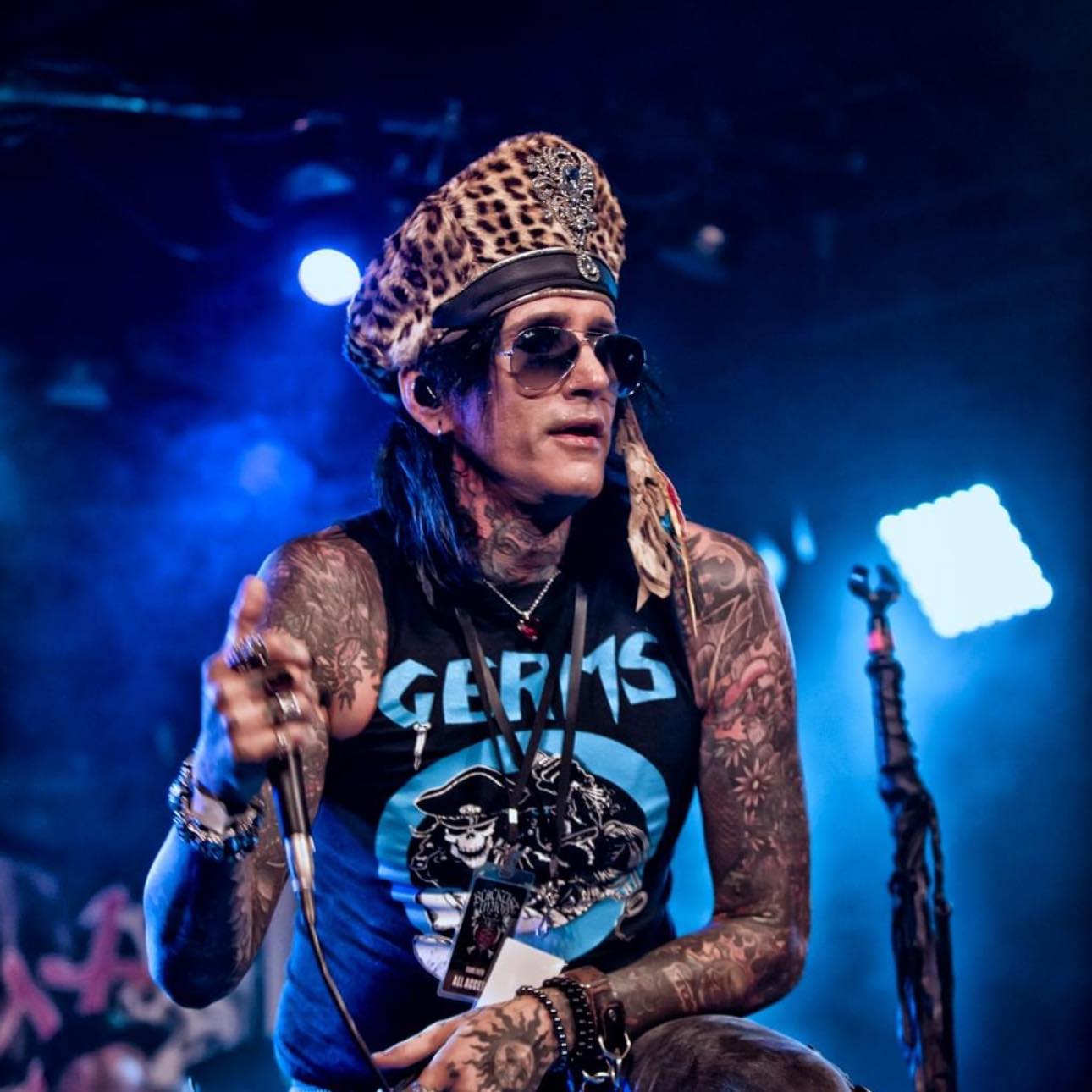
Rock and roll has always celebrated survival. Few artists embody that truth as completely as Tony West.
The Blacklist Union frontman speaks with the confidence of someone who has lived through enough darkness to recognize the value of light. His stories move effortlessly between Hollywood clubs, spiritual awakenings, sold out concerts, and deeply personal reflections, creating the portrait of a musician whose greatest victories happened long after the applause faded.
West's musical roots were planted far from the Sunset Strip. Growing up in New York's hardcore scene, his earliest soundtrack came from bands like the Beastie Boys, GBH, the Ramones, Slayer, AC/DC, and Van Halen. Music was never simply entertainment. It became the one constant that carried him through childhood, adolescence, addiction, and eventually recovery.
He says there has never been a point where music stopped being his escape. It remains the force that keeps him grounded in what he describes as an increasingly chaotic world. Even during moments when the industry tested his resolve, he found himself pulled back by messages from listeners who shared how his songs had helped them through difficult moments of their own.
That sense of purpose eventually expanded far beyond music.
West speaks openly about the trauma that shaped much of his early life and the long search for healing that included sobriety, recovery programs, and personal development. He explains that the most profound transformation came through repeated ayahuasca ceremonies in the Amazon with the Shipibo people. Rather than treating those experiences as stories designed to shock, he describes them as medicine that fundamentally changed his perspective and became the foundation for the last several Blacklist Union albums.
For West, spirituality and rock music no longer exist as separate worlds. They coexist in every lyric, every performance, and every record he continues to create.
That openness extends to his creative relationships as well.
His partnership with Lorraine Lewis began after being introduced by longtime friend Taime Downe during a funeral for legendary rock photographer Glen LaFerman. The setting could hardly have been less conventional, but the connection quickly evolved into both a musical collaboration and a personal relationship.
West's influence is immediately apparent on their version of "Jackson." While producer Chris Johnson initially leaned toward preserving the classic arrangement, West pushed to reinvent it with an aggressive punk rock energy. The gamble paid off. The recording earned enthusiastic approval from members of the Carter Cash family while giving the timeless duet an entirely new identity.
Lewis repeatedly praises West's professionalism, humility, vocal range, and work ethic, while West consistently redirects praise back toward his collaborators. The mutual respect between them becomes one of the interview's defining themes.
His excitement extends beyond the recording studio. Touring throughout the United Kingdom left a lasting impression, reminding him of the kind of passionate rock audiences that first inspired him to pursue music. That experience helped pave the way for Blacklist Union's upcoming European tour alongside Faster Pussycat, with Femme Fatale joining the lineup to bring both of his current musical worlds together on the same stage.
Even after decades in music, West remains deeply curious. He embraces everything from Johnny Cash and Tears for Fears to newer artists like Yungblud without worrying about genre boundaries or expectations. Good songs matter more than labels.
There is something refreshing about that honesty.
Tony West does not present himself as someone who has all the answers. Instead, he offers the perspective of someone who has spent years asking difficult questions, surviving difficult seasons, and allowing those experiences to shape both the man and the music.
In an industry that often rewards image over authenticity, that may be the most rebellious thing a rock singer can do.