The Guitar Speaks Louder Than the Spotlight
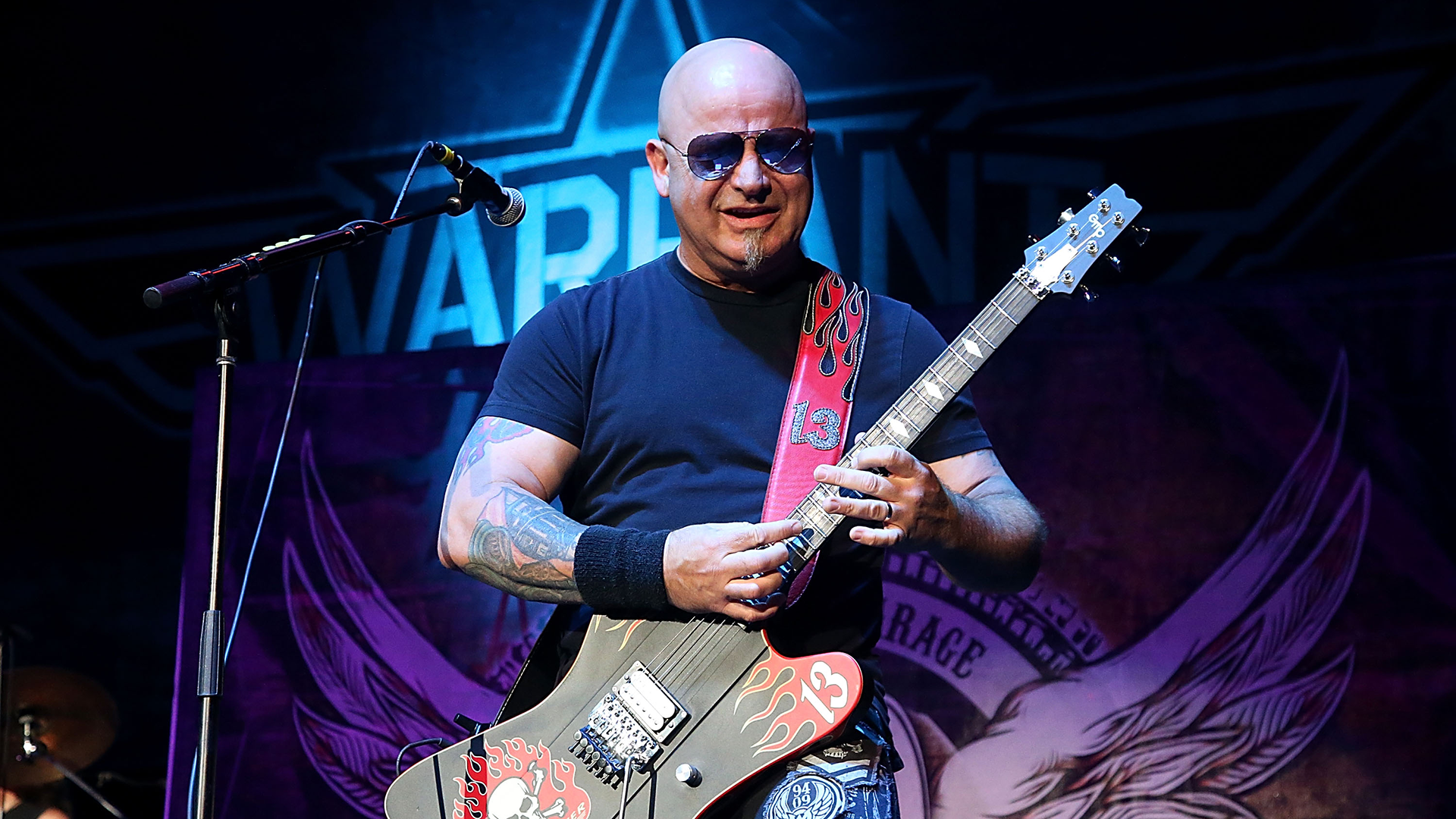
There is something quietly disarming about Joey Allen. For a guitarist whose solos helped define one of rock's biggest bands, there is remarkably little ego in the conversation. He talks about guitar tones the way some people talk about old friends, remembers producers by the amplifiers they favored, and credits other musicians almost as quickly as anyone compliments him. The mythology surrounding Warrant may be filled with platinum records, sold out arenas, and stories that have become part of rock folklore, but Allen still approaches it all with the curiosity of someone who simply loves playing guitar.
That perspective shaped every chapter of his career.
Born in Fort Wayne, Indiana before his family relocated to Southern California, Allen eventually found himself surrounded by the exploding Sunset Strip scene that would redefine hard rock during the nineteen eighties. Before Warrant, he was building prototype amplifiers and working on guitars at Jackson Charvel while watching many of the era's biggest players walk through the doors. Although several artists wanted him as a guitar technician, Allen had different ambitions. He wanted to stand on the stage, not beside it.
His opportunity arrived almost by accident.
A chance meeting with former bandmate Eric Turner on Sunset Boulevard led to an audition for Warrant just after the band had brought in a new singer named Jani Lane. Two weeks later Allen was in the band. About a year after that, Warrant landed its record deal.
For Allen, the timing could not have been better.
When conversation turns to Warrant's success, Allen never claims ownership of it. Instead, he repeatedly points back to Jani Lane's songwriting. Whether discussing the playful spirit of Cherry Pie or the heavier emotional weight of songs like Rainmaker, Allen describes Lane as someone who believed in every song he wrote. He explains that Lane never seemed embarrassed by the band's biggest hit, even if people sometimes overlooked the depth of the rest of the catalog.
Those songs also became Allen's canvas.
His description of recording guitar solos reveals an obsessive work ethic hidden beneath Warrant's polished image. He recalls spending four hours recording solos before retreating to another room where he practiced for several more hours with a metronome and practice amplifier, preparing for the following day's session. By the time Lane arrived at the studio, Allen's fingers were often bleeding, waiting to hear whether the latest solo earned another yes.
Over time, the yeses came more often.
Allen speaks passionately about the difference between simply playing fast and making a solo serve the song. His favorite moments are not built around speed but around emotion. He points to Let It Rain as one of his favorite solos he has ever recorded, explaining that he was deeply influenced by Jeff Beck while writing it. Rather than copying Beck, Allen says he was channeling what Beck's phrasing meant to him. The result remains one of the performances he is most proud of.
That mindset extends beyond his own work.
Throughout the conversation, Allen repeatedly shines the spotlight on other musicians. Tommy Gervin, Eddie Money's guitarist, helped him rethink his approach before the Dog Eat Dog sessions. Neil Schon earns admiration for possessing what Allen describes as extraordinary feel and flawless internal timing. Brad Gillis receives praise for stepping into Ozzy Osbourne's band after Randy Rhoads, while Allen also celebrates the impact of drummer Anika Nilles joining Rush's live performances, calling it an empowering moment for women in rock.
His musical influences reveal the same respect.
Allen names Jeff Beck, David Gilmour, Eddie Van Halen, Randy Rhoads, Gary Moore, Scott Gorham, Brian Robertson, Adrian Smith, Dave Murray, Glenn Tipton, K.K. Downing, and Phil Lynott among the players and writers who shaped him. If given the opportunity to join any band outside Warrant, he chooses Thin Lizzy, not because he wants to replace any of its legendary guitarists, but because he simply loves the music and the chemistry that band created.
There is also an unmistakable affection for the era that produced Warrant.
Allen remembers handing out thousands of flyers on parked cars along the Sunset Strip, watching Van Halen's grassroots approach become the blueprint for countless Los Angeles bands. He laughs about Warrant's synchronized stage moves, jokingly describing them as synchronized swimming without the water. Even stories from the Cherry Pie tour with Firehouse become opportunities to laugh about youthful mistakes rather than glorify them.
Perhaps the most surprising part of the conversation is how grounded Allen remains today.
Away from touring, he has spent more than two decades working for Pearl Drums while balancing family life and weekends on the road with Warrant. He talks just as comfortably about his wife, children, Arizona getaway, and Chihuahuas as he does about vintage Mesa Boogie amplifiers and recording sessions with Michael Wagner.
It is a reminder that the musicians who once filled arenas eventually return home like everyone else.
Yet when Joey Allen starts talking about guitars, time seems to disappear. His excitement over discovering a new technique, finding the right amplifier, or hearing the perfect note still sounds exactly like the young guitarist wandering the Sunset Strip years before Warrant became one of rock's defining bands.
For Allen, greatness has never been measured by how many notes can fit into a solo.
Sometimes one note says everything.