The Art of the Build: Inside ‘Lonely Eyes’
Not Just a Hook—A Journey to It
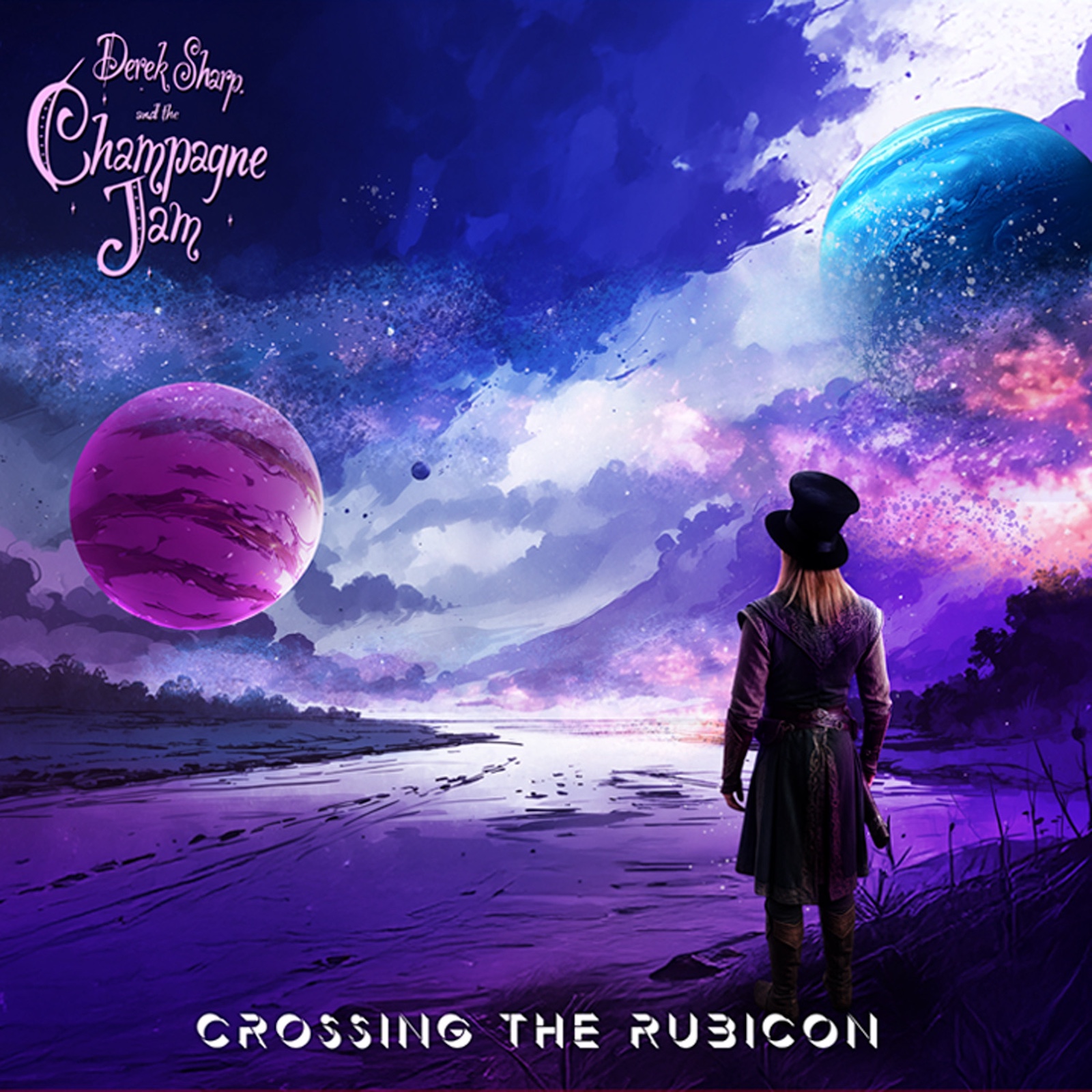
There are songs you like, songs you respect… and then there are songs that hit you the first time and never really leave. “Lonely Eyes” by Derek Sharp and The Champagne Jam is one of those for me.
I’ve been sitting with this track since Derek first shared a preview, and it’s been quietly living in my rotation ever since. Not because it screams for attention—but because it earns it. Every listen reveals another layer, another moment, another reason to lean in.
This is one of those records that reminds you what rock music can be when it breathes.
We’ve gotten so used to everything being front-loaded—hook in the first 15 seconds, chorus by 30—that when something actually develops, it almost catches you off guard. “Lonely Eyes” doesn’t rush. It unfolds. It builds. It takes its time letting the textures come into focus—the guitars, the harmonies, the space between the notes. There’s intention in the dynamics, and you can feel it. And then there’s the payoff.
The way this track evolves, it honestly feels more like a composition than a traditional “single.” It brought me back to something like 1812 Overture—not in a literal sense, but in how it teases you, pulls you forward, and keeps raising the stakes. You don’t get the full release right away. You’re guided there. And when it finally lands, it lands. That final hook doesn’t just show up—it arrives.
What I love most is that it doesn’t feel nostalgic for the sake of nostalgia. Yeah, it taps into that era when rock records had depth—when harmonies mattered, when arrangements had movement—but it doesn’t feel like it’s trying to recreate the past. It feels like it understands it. And then builds from there.
There’s confidence in that. And honestly, there’s restraint too.
“Lonely Eyes” doesn’t try to be everything at once. It trusts the listener. It trusts the journey. And that’s probably why it sticks with you.
As part of the upcoming album Crossing The Rubicon, this track feels like a statement—not in a loud, declarative way, but in a “this is who we are” kind of way. It sets a tone. It signals that this project isn’t just a collection of songs—it’s something more intentional, more connected. And maybe that’s the real takeaway here. This isn’t just a song you throw on in the background.