Finding the Growl: Savannah Dean Reeves and the Art of Letting the Song Lead
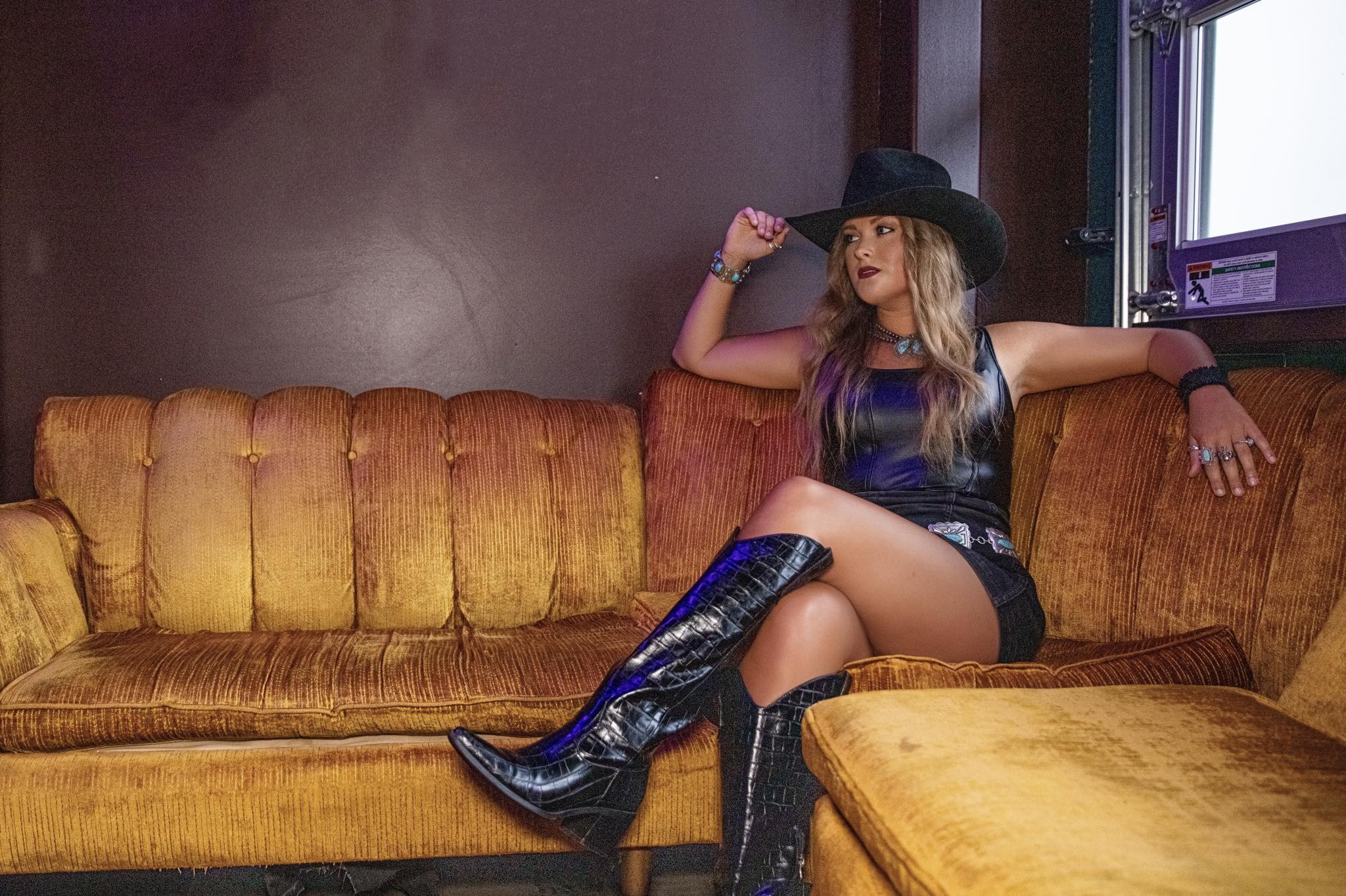
Savannah Dean Reeves doesn’t write songs so much as she lets them happen to her. They arrive quietly, sometimes as a single word and sometimes as a restless thought looping in her head while she sits alone in her car. By the time she realizes what’s happening, the emotion has already turned into melody. That instinctive, almost surrendered approach to songwriting is what gives Reeves her edge. She possesses a voice that feels lived in, a delivery that carries both vulnerability and warning, and a tone that suggests she’s still discovering just how powerful she really is.
On Press Play Conversations, Reeves comes across the same way her music sounds: warm, grounded, and quietly formidable. She laughs easily, shrugs off stories of drunken hecklers with grace, and talks about songwriting as therapy rather than performance. Beneath the easy charm, however, is an artist who knows exactly why she’s here. When she describes opening for Easton Corbin and feeling the weight of a receptive crowd leaning into her songs, she admits she cried after stepping offstage. It wasn’t because of nerves, but because of recognition. That feeling, she says, is one she never wants to lose. Listening to her talk, you believe her.
Reeves’ catalog, including songs like "Get Me Every Time," "How About You," and "Bet On Me," is rooted in self-awareness. These aren’t breakup songs that cast blame outward. They are inward-looking, reflective, and often uncomfortably honest. "Get Me Every Time" circles red flags and attraction patterns with the clarity of hindsight, while "How About You" plays out like a conversation someone rehearses in their head long before a relationship actually ends. She wrote it before the breakup that would eventually inspire it, unknowingly foreshadowing her own exit. That kind of emotional intuition can’t be manufactured. It either exists or it doesn’t.
Vocally, Reeves is where things become especially interesting. There’s a growl in her delivery and a low-end grit that sneaks in unexpectedly, making her sound tougher than she looks and deeper than she speaks. It’s the kind of voice that feels tailor-made for a louder room than Nashville sometimes allows. Her sound could sit comfortably alongside Pat Benatar, Bad Company, or even a fuzzed-out Blondie record without losing its identity. Reeves acknowledges it herself. She sings deeper than she talks, and live performance has shaped her sound just as much as the studio ever could.
Her influences tell the story. Miranda Lambert lit the spark early. In fact, Reeves was charging her parents twenty dollars for living room concerts before she was even a teenager. These days, she’s drawn to artists who blur lines. Lainey Wilson’s stage presence, Nate Smith’s rock-leaning country, and Elle King’s refusal to stay inside a box all resonate with her. She listens to Bad Company and Halestorm, not as guilty pleasures, but as possibilities. When Reeves talks about entering a new era of writing that includes happier songs and more self-focused material, it doesn’t feel like a reinvention. Instead, it feels like an expansion.
What makes Savannah Dean Reeves compelling right now is not simply where she’s been. It’s the sense that she’s standing on the edge of something louder, freer, and less defined. She’s an artist who understands that songs don’t need a plan. They only need honesty. Growth doesn’t mean abandoning your roots, and sometimes the most powerful thing you can do is trust the voice that appears when you stop trying to control it.
Somewhere between country confessionals and rock-tinged resolve, Savannah Dean Reeves is finding her stride. If she ever decides to lean fully into that growl, the room might not know what hit it.