Eric Steckel: Pushing the Boundaries of Blues, Rock, and Guitar
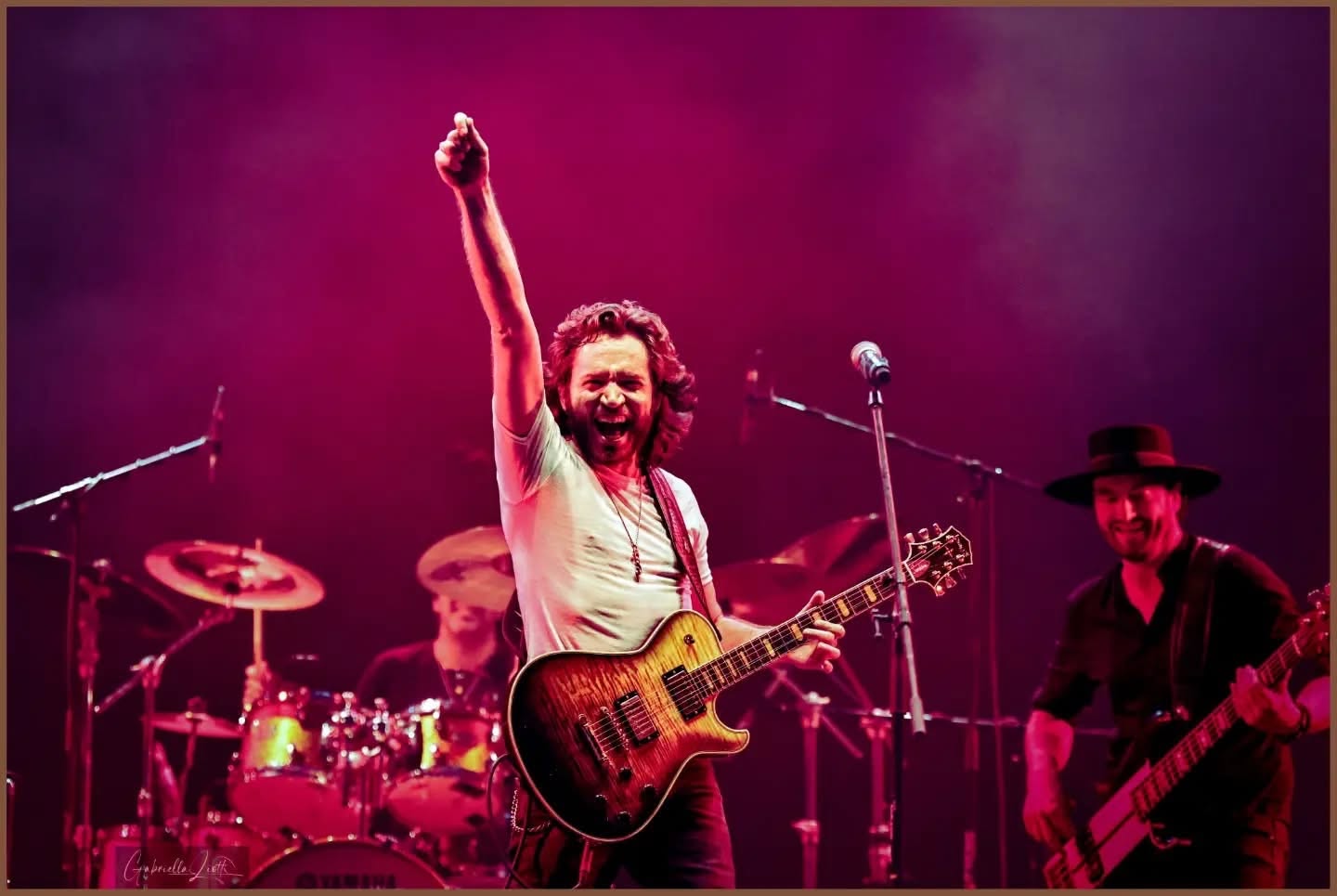
Eric Steckel has spent more than two decades building a career around one simple idea: music should feel authentic. A powerful guitarist, songwriter, and multi instrumentalist, Steckel has developed a sound that brings together blues, hard rock, progressive influences, and modern guitar tones while refusing to stay inside one musical box.
For Steckel, that willingness to experiment has been part of his musical identity from the beginning. His influences range from Stevie Ray Vaughan, Gary Moore, Eddie Van Halen, Jimi Hendrix, Buddy Guy, and Zakk Wylde to artists and bands outside the traditional blues world. He credits his parents' vinyl collection with exposing him to music at an early age, helping shape the artist he would eventually become.
Finding His Own Sound
Steckel's connection to Stevie Ray Vaughan runs especially deep. Vaughan was the first guitarist he identifies as inspiring him to pick up the instrument, but Steckel has never been interested in simply recreating the sound or appearance of his heroes. Instead, he looks for the elements that make an artist unique and finds ways to incorporate them into something of his own.
That philosophy can be heard in his approach to the guitar. Steckel combines blues phrasing with aggressive playing techniques more commonly associated with metal, including a powerful right hand attack and downpicking approach. He believes young musicians should search for the small details that separate them from everyone else rather than simply becoming another version of someone they admire.
His willingness to challenge expectations extends to his songwriting as well. Steckel enjoys combining sounds that people might assume do not belong together. Blues, hard rock, progressive music, clean guitar textures, heavy riffs, and soulful melodies can all exist within the same musical world.
The Making of Sandstorm
That spirit of experimentation is at the center of Steckel's upcoming album, Sandstorm. One of the most interesting aspects of the record is how much of it developed spontaneously in the studio.
The entire album was recorded in just six days. Rather than arriving with every song completely mapped out, Steckel and his collaborators allowed ideas to develop naturally while they were recording. Several of the album's strongest moments came from musicians simply playing together, discovering something interesting, and following the idea wherever it went.
The title track is perhaps the best example. Sandstorm was not originally planned for the album. On the final day of recording, the drummer was warming up with a groove that caught Steckel's attention. Steckel picked up his guitar, began playing chords, added organ, and the musicians started building the song without knowing exactly where it would lead. When the group described the emerging sound as desert rock, Steckel began developing the imagery that ultimately became the song's concept.
That spontaneous creation eventually influenced the entire identity of the album, including its artwork and title.
An Album Meant to Be Heard as a Whole
Steckel is also deeply passionate about the album as an artistic experience. He deliberately selected the track order for Sandstorm, describing the finished sequence as something that flows like a conversation.
The album begins with “When It Rains It Pours,” places “Sandstorm” in the middle, and closes with “Back to Life.” Rather than treating the songs as completely separate pieces, Steckel approached the record as a complete journey.
Even “Back to Life,” which provides the album's closing moment, was created spontaneously in the studio. Steckel recalls sitting at the piano early one morning before the rest of the group was fully awake. The drummer heard what he was playing, joined him, and the song developed from there. For Steckel, moments like these are proof that some of the best music can happen when musicians simply listen, react, and create together.
Building a Life Around Music
Steckel's experience also extends beyond performing and recording. After 26 years in the business, he understands that being a working musician requires more than playing shows.
His advice to younger artists is to develop multiple sources of income. Steckel has built opportunities through signature guitars, pickups, amps, pedals, royalties, and other projects connected to his name. He believes having multiple streams of income can help musicians survive the periods when touring slows down and provide greater freedom to continue creating.
At the same time, Steckel remains focused on the reason he started making music in the first place. His connection to the guitar is deeply personal, and his goal is not simply to demonstrate technical ability. Whether he is playing a heavy blues riff, exploring progressive textures, or sitting behind a piano creating something completely unexpected, the common thread is emotion.
Music Without Boundaries
Eric Steckel's music exists in the space between genres. He can move from blues to hard rock, from clean melodic passages to crushing guitar tones, without feeling the need to explain exactly where one category ends and another begins.
That freedom is ultimately what defines his approach. Steckel is interested in taking familiar influences, combining them in unfamiliar ways, and creating something that feels unmistakably his own. With Sandstorm, he continues that journey, embracing spontaneity, experimentation, powerful guitar work, and the belief that the best music happens when artists give themselves permission to follow the moment.