Chasing Ghosts in Stereo
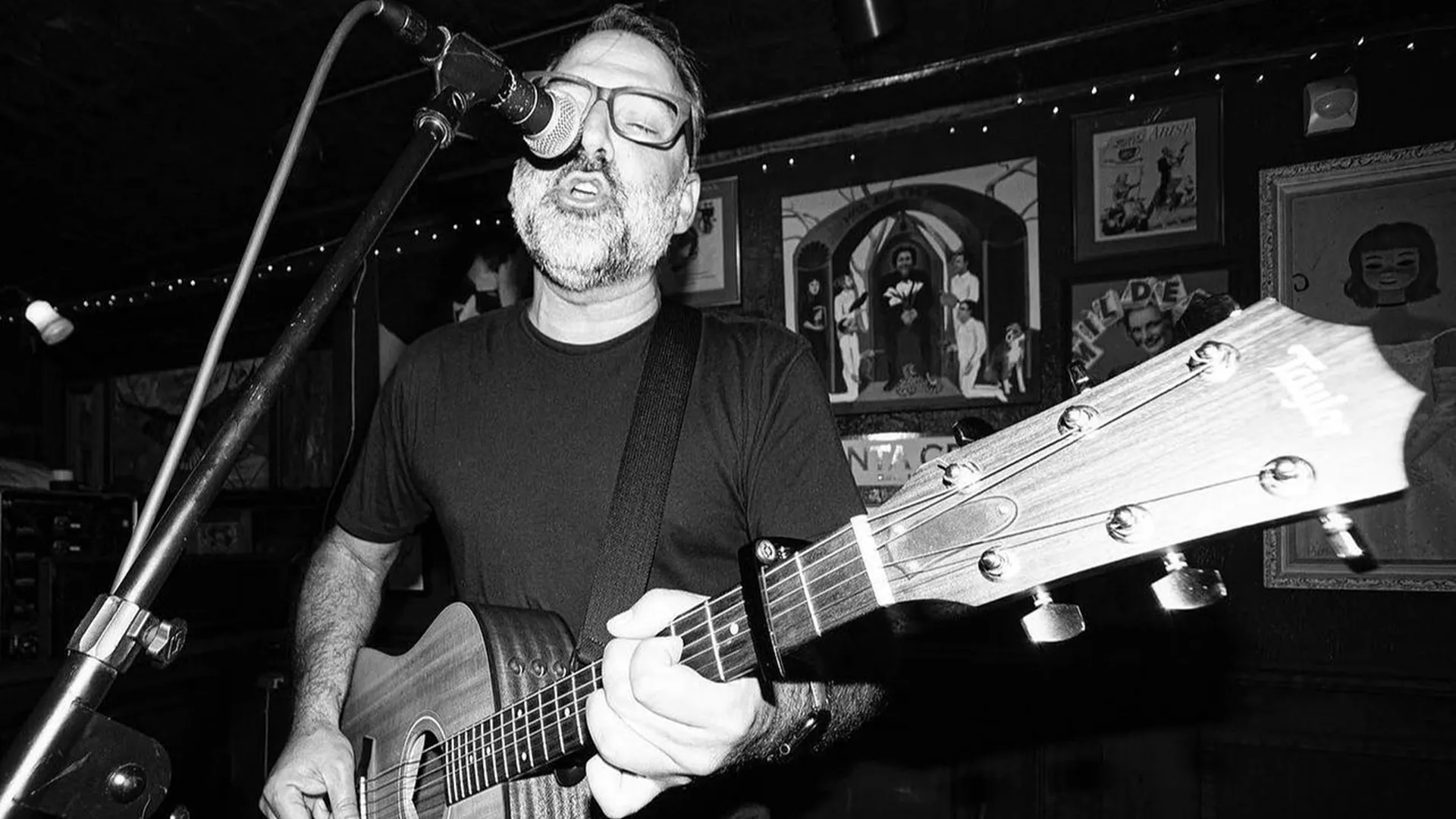
Some records arrive at exactly the right time. Others spend years waiting for listeners to catch up. Time Spent Driving’s Just Enough Bright belongs firmly in the latter category—a shimmering, emotional landmark that somehow slipped between the cracks of the late-'90s and early-2000s post-hardcore explosion. Now, with a newly remixed and remastered edition handled by legendary producer J. Robbins himself, the record sounds less like a relic and more like a message finally reaching its destination.
For Jon Cattivera, the voice and driving force behind Time Spent Driving, nostalgia isn’t about living in the past. It’s about preserving something real. From his mountain home in Boulder Creek, California, surrounded by dirt bikes, chickens, half pipes, and family life, Cattivera has built a world that balances suburban peace with the restless energy that made his music resonate in the first place.
Long before streaming algorithms and social media trends, Time Spent Driving emerged from punk roots and endless rehearsals, chasing unusual chords and emotional honesty rather than radio formulas. Influenced by bands like Jawbox, Knapsack, Sense Field, Seaweed, Far, Jawbreaker, Shiner, and Jimmy Eat World, Cattivera and guitarist Derek forged a sound full of strange intervals, interlocking melodies, and emotional tension that felt equally cerebral and cathartic.
That spirit is everywhere on Just Enough Bright. Songs like “Angel and I,” “Thin Like Paper,” “Leaving,” and “Your Abrasion” aren't simply exercises in melancholy; they're landscapes of memory. References to photographs waiting to be developed and relationships preserved in fragments evoke a pre-digital era when memories were precious because they were rare. Every song seems to carry a mixture of longing and gratitude, wrapped in J. Robbins’ unmistakable sense of sonic depth.
The renewed version of the album happened almost by accident. Robbins had quietly rescued the original two-inch tapes when Inner Ear Studios closed, giving the band a chance not simply to remaster the record but to rebuild it from the ground up. The result reveals details hidden beneath the original mix—clearer vocals, wider dynamics, and enough separation between the guitars to make longtime fans hear familiar songs in entirely new ways.
But perhaps the most surprising revelation is that Cattivera isn’t interested in looking backward. While many bands spend reunion years replaying old victories, he’s been experiencing a creative explosion. A new album—one he confidently calls the best work Time Spent Driving has ever recorded—is already completed. Another full record has already been written. Fresh band members have reenergized the project. His brother has returned on keyboards. After nearly a decade away from the stage, live performances are finally on the horizon again.
And despite operating a successful design agency and embracing AI as a practical tool in business, Cattivera remains unwavering about the one thing machines can't replicate.
The songs.
For him, music still belongs to human hands and human hearts. Mistakes matter. Tape hiss matters. Imperfect takes matter. The chemistry between musicians matters. In an age increasingly defined by convenience, Cattivera still believes in commitment—plugging pedals straight into the board, making choices that can't be undone, and letting emotions live exactly where they land.
Maybe that's why Just Enough Bright still feels so alive. These songs weren't assembled. They were lived.
Twenty-five years later, Time Spent Driving sounds less like a band rediscovering itself and more like one finally arriving. The records that once deserved a larger audience are finding new ears, and the songs that survived decades of obscurity are beginning to shine with the kind of brightness that only time can provide.
Some bands burn fast.
Others spend a lifetime gathering light.