Austin of Bastion Rose: Turning Adversity Into Rock, Resilience, and Something Real
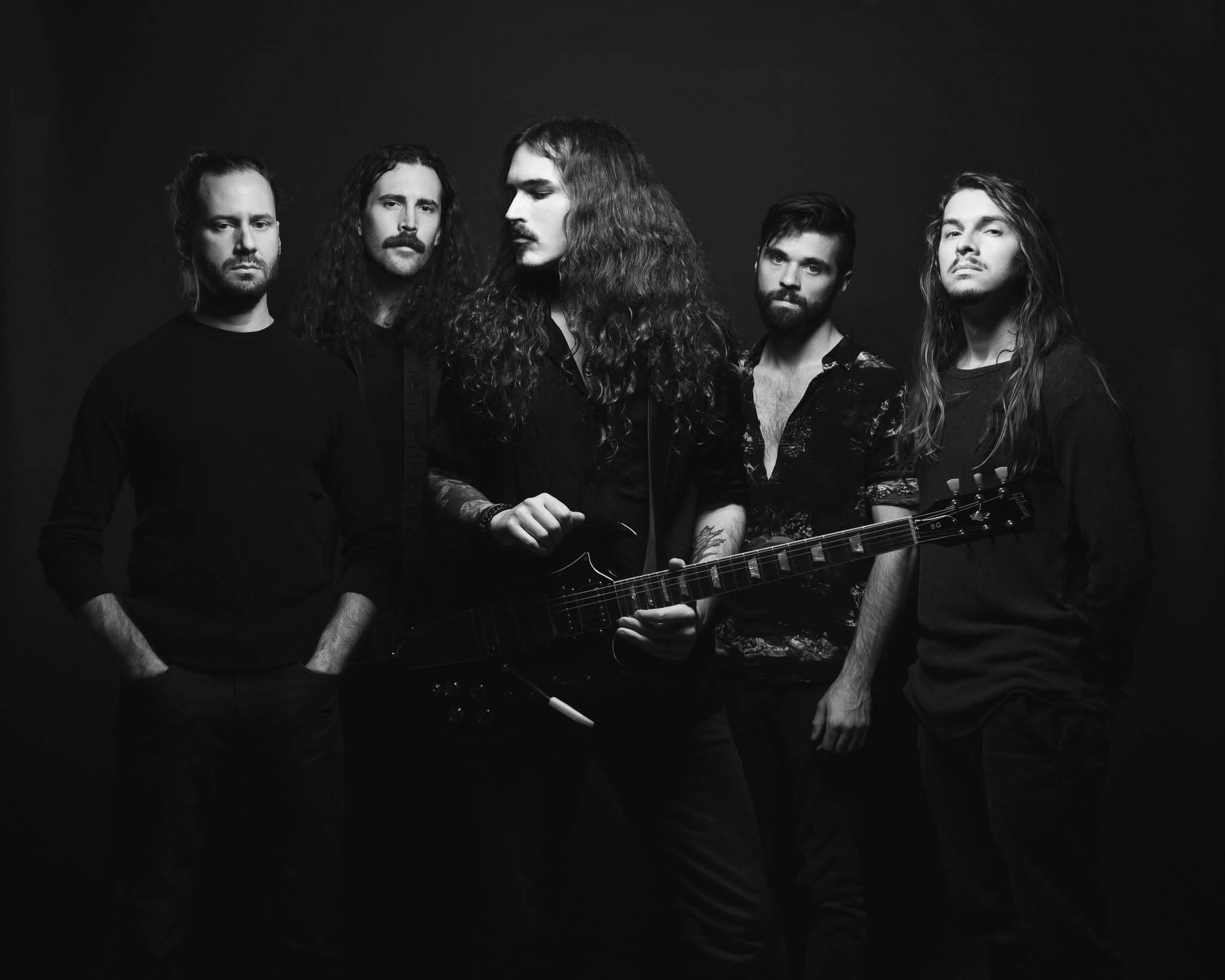
For Austin of Bastion Rose, music has always been more than simply making noise. It has been a way to process life, overcome adversity, and connect with people who may be carrying their own struggles. In a conversation with PressPlay Radio Conversations, Austin opened up about everything from nearly losing his voice to the experiences that shaped Bastion Rose and his approach to songwriting.
The conversation began with “Someday,” a song that took on an entirely different meaning after Austin was diagnosed with thyroid cancer. During surgery, doctors discovered that the tumor was wrapped around his right vocal nerve, putting his ability to speak and sing at serious risk. After the surgery, Austin could barely speak above a whisper, and there was a real possibility that his vocal cord could remain paralyzed permanently.
Rather than accept that possibility, Austin began working to regain his voice. He described visualizing the nerve signals moving from his brain and repeatedly trying to activate the vocal cord. Slowly, he began producing sound again. Eventually, his voice returned, allowing him to sing once more. Today, Austin is cancer free and remains deeply grateful that he was able to recover his voice.
That experience also changed the way he understood his own music. Austin explained that he had actually written the lyrics to “Someday” before his cancer diagnosis, but the song gained new meaning through everything that followed. His life had already included significant loss, as both of his parents passed away during the same year he was diagnosed with cancer. Through those experiences, Austin says he became motivated by overcoming adversity and identifying with the underdog.
That philosophy is reflected in the very identity of Bastion Rose. During one of the most difficult periods of his life, Austin began caring for roses he had planted in memory of his father. Those roses eventually became a symbol of both the pain he had experienced and the healing that followed. The Bastion Rose name and logo grew out of that period, eventually becoming the foundation for a new chapter in his musical life.
After stepping away from music during that difficult period, Austin slowly found his way back through the guitar. He bought a Stratocaster, an instrument he had never previously owned, and approached playing almost like starting over. He spent hours practicing, studying the guitar more deeply, and playing along with backing tracks. For him, the process became a form of meditation and helped reignite the creativity he had lost.
That renewed creativity eventually became Fade to Blue, Bastion Rose's first EP. Austin described the record as having a “laid back intensity,” with a sense of confidence that wasn't trying to prove anything. From there, the band continued developing its sound, eventually leading into the full length Traces of Gold.
One of the defining characteristics of Bastion Rose is its refusal to stay inside a single genre box. When asked how he categorizes the band's music, Austin kept it simple: rock. His influences range from Black Sabbath, Tool, Metallica, Creed, Alter Bridge, and Breaking Benjamin to the music he absorbed growing up, including Madonna, No Doubt, Boys II Men, Britney Spears, and the Backstreet Boys.
That broad musical background can be heard throughout Bastion Rose's work. Austin's songwriting often combines heavy guitar driven arrangements with cleaner, melodic passages and soulful vocal moments. He points to Mark Knopfler's finger picked clean guitar style as an influence, while other listeners have compared Bastion Rose's sound to combinations as unexpected as Metallica and Dire Straits or A Perfect Circle and Bad Company.
Austin also approaches songwriting without a rigid formula. He says every song feels different and that he couldn't write a traditional “how to” guide for creating music because the process changes every time. For him, the song itself determines what it needs.
Perhaps most importantly, Austin believes music has to be genuine. He describes his songwriting as a way of bearing his soul and says that if something isn't true, it isn't worth doing. His hope is that listeners recognize themselves in that vulnerability, that they can hear Bastion Rose and feel seen and understood in the same way he has felt through the artists who have helped him through difficult moments.
That authenticity also informs Austin's criticism of the modern music industry. He is wary of artists writing specifically for a target demographic or treating music like a product designed for a particular consumer group. For Austin, rock works best when artists give themselves permission to experiment and follow their instincts rather than chase a formula.
His concerns extend to the growing role of AI in music and the way streaming platforms reward constant output. Austin discussed seeing AI generated music appearing in algorithmic recommendations and expressed concern about systems that allow people to generate large amounts of music without the human history, work, and artistry behind it.
Ultimately, Austin's story is one of rebuilding. From losing his parents and battling cancer to losing and eventually rediscovering his voice and creative drive, Bastion Rose emerged from an incredibly difficult chapter. The roses that once represented grief became symbols of growth, while music became the place where Austin could turn those experiences into something meaningful.
For Austin, rock isn't about fitting neatly into a category. It's about emotion, experimentation, vulnerability, and telling the truth. And after everything he's been through, Bastion Rose feels less like a new beginning and more like proof that sometimes the strongest music grows out of the hardest seasons.