April Wine Still Burns: Brian Greenway on Rock, Brotherhood, and the Soundtrack of Our Lives
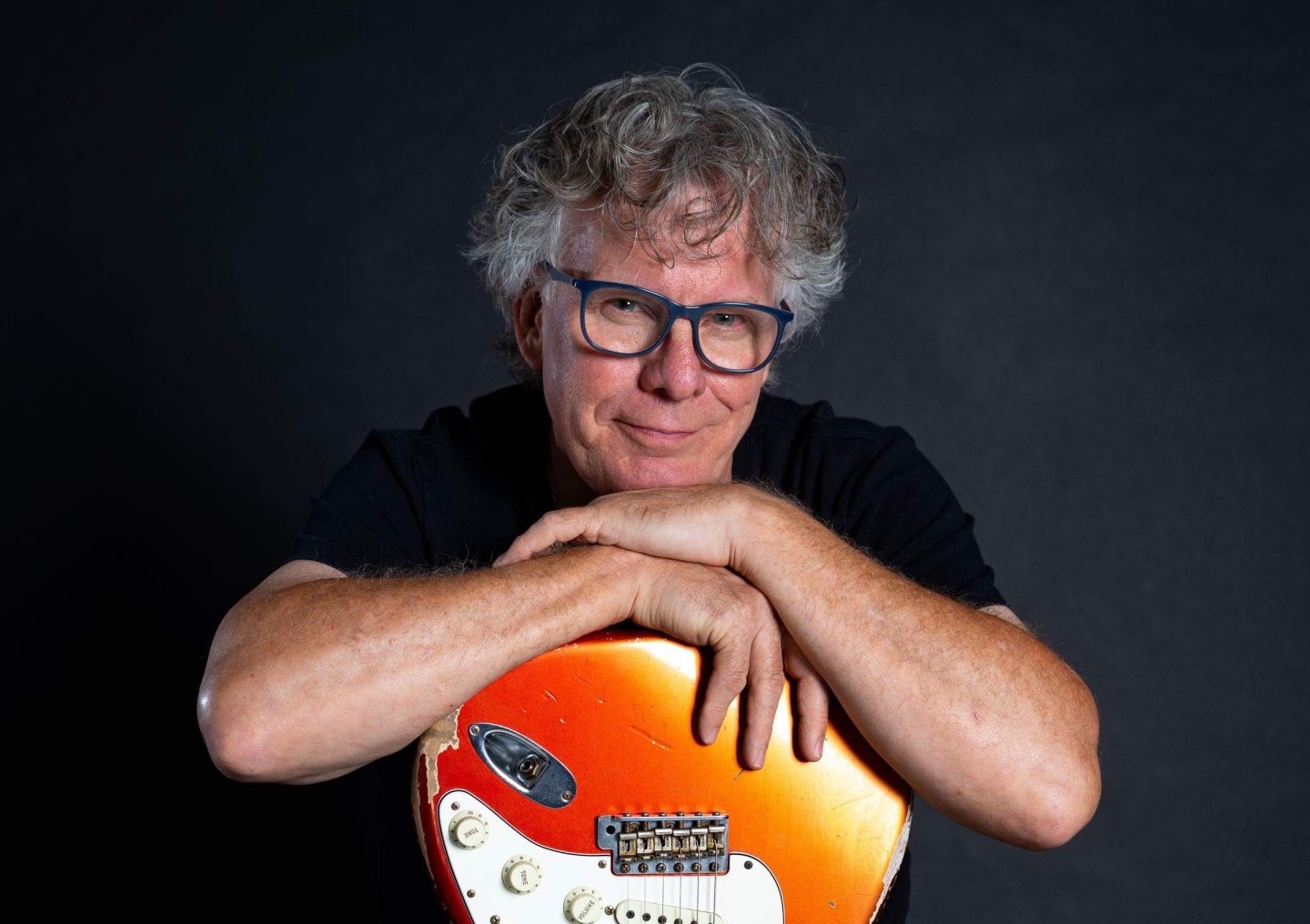
There’s something beautifully unfiltered about talking to Brian Greenway. No polished PR armor. No manufactured mythology. Just decades of stories, scars, riffs, laughter, and a deep appreciation for what rock music once was — and what it still can be.
Sitting down with Don, Dean Baldwin, and Tina Houser on Press Play Conversations, the longtime April Wine guitarist comes across less like a classic rock survivor and more like the guy you’d want sitting beside you at 2 a.m. in a backstage lounge talking guitars, old records, and why music used to feel dangerous in the best possible way.
And Greenway remembers all of it.
From seeing Jimi Hendrix in Montreal at age fifteen to obsessing over the The Beach Boys, from learning “House of the Rising Sun” as a teenager to touring Europe with Uriah Heep last year, Greenway carries the kind of musical memory bank that can’t be Googled. It had to be lived.
What makes the conversation compelling isn’t nostalgia — it’s perspective.
When Dean Baldwin brings up the almost mythical quality of Canadian rock bands, Greenway doesn’t try to romanticize it. He shrugs it off with the humility of someone who was too busy building the movement to analyze it. But as the conversation unfolds, you start to understand what Baldwin was talking about. There is something distinct in bands like April Wine, Rush, Triumph, and Streetheart — melodic muscle mixed with emotional warmth, hooks wrapped in technical brilliance, arena rock that still felt human.
Greenway credits part of that rise to Canada’s CanCon laws, which forced radio stations to support Canadian artists. But listening to him explain it, it wasn’t about quotas. It was about opportunity. Canadian bands finally had a runway to develop their identity instead of getting drowned out by American and British imports.
And April Wine didn’t just survive that era — they became one of its defining voices.
The interview dives deep into “Sign of the Gypsy Queen,” the band’s towering reinterpretation of the old Lorence Hud track that April Wine transformed into something thunderous and cinematic. Greenway breaks down exactly why their version exploded: thicker production, three guitars, and a dramatic halftime solo section that elevated the song into classic-rock immortality.
Then there’s the gear talk — glorious, obsessive, wonderfully nerdy gear talk.
Greenway discusses reluctantly moving from tube amps to Fractal modeling systems, admitting he fought the transition hard because nothing replaces the feeling of air moving through loud speakers. But practicality eventually won. Consistency, reliability, and modern venue sound restrictions forced even old-school rock lifers to evolve.
Still, his soul remains deeply analog.
He reminisces about learning songs by repeatedly lifting a vinyl needle back onto the same section of a record, trying to decode what guitar players were doing before YouTube tutorials existed. It’s one of the interview’s strongest moments — not because he’s condemning modern musicians, but because he understands the value of struggle in the creative process.
“Doing it the other way really hones your talent,” he says.
That sentence alone feels like the thesis statement for an entire generation of musicians.
The conversation also takes a surprisingly thoughtful turn into AI music. Unlike many veteran artists who dismiss it outright, Greenway approaches it pragmatically. He views AI as a tool — something capable of helping writers break through creative walls, but not something that should replace human instinct or originality. It’s a measured, intelligent answer from someone who has spent his entire life understanding where creativity actually comes from.
But perhaps the emotional center of the interview arrives when the discussion turns toward the current state of April Wine following the passing of legendary frontman Myles Goodwyn.
Greenway speaks carefully, respectfully, and honestly about the complicated reality of continuing the band while estate matters remain unresolved. He never turns bitter. Never sensationalizes it. Instead, he frames it like a family trying to navigate grief while preserving something larger than themselves.
That restraint says everything about who he is.
And despite the uncertainty surrounding new music, April Wine remains very much alive onstage. Greenway talks excitedly about touring with Triumph again — reconnecting with old friends, revisiting cities that helped build their legacy, and continuing to give audiences what he calls a “good time.”
Because that’s ultimately what April Wine has always been about.
Not preaching.
Not posing.
Not chasing trends.
Just songs that became part of people’s lives.
First dates.
First beers.
First concerts.
First heartbreaks.
First freedom.
Late in the interview, Greenway delivers the line that quietly defines the entire conversation:
“People might not remember what you said or what you sung, but they sure will remember how you made them feel.”
That’s April Wine in one sentence.
And after all these years, Brian Greenway is still making people feel something.