A Songwriter From East Texas Who Still Believes the Best Music Comes From the Human Heart
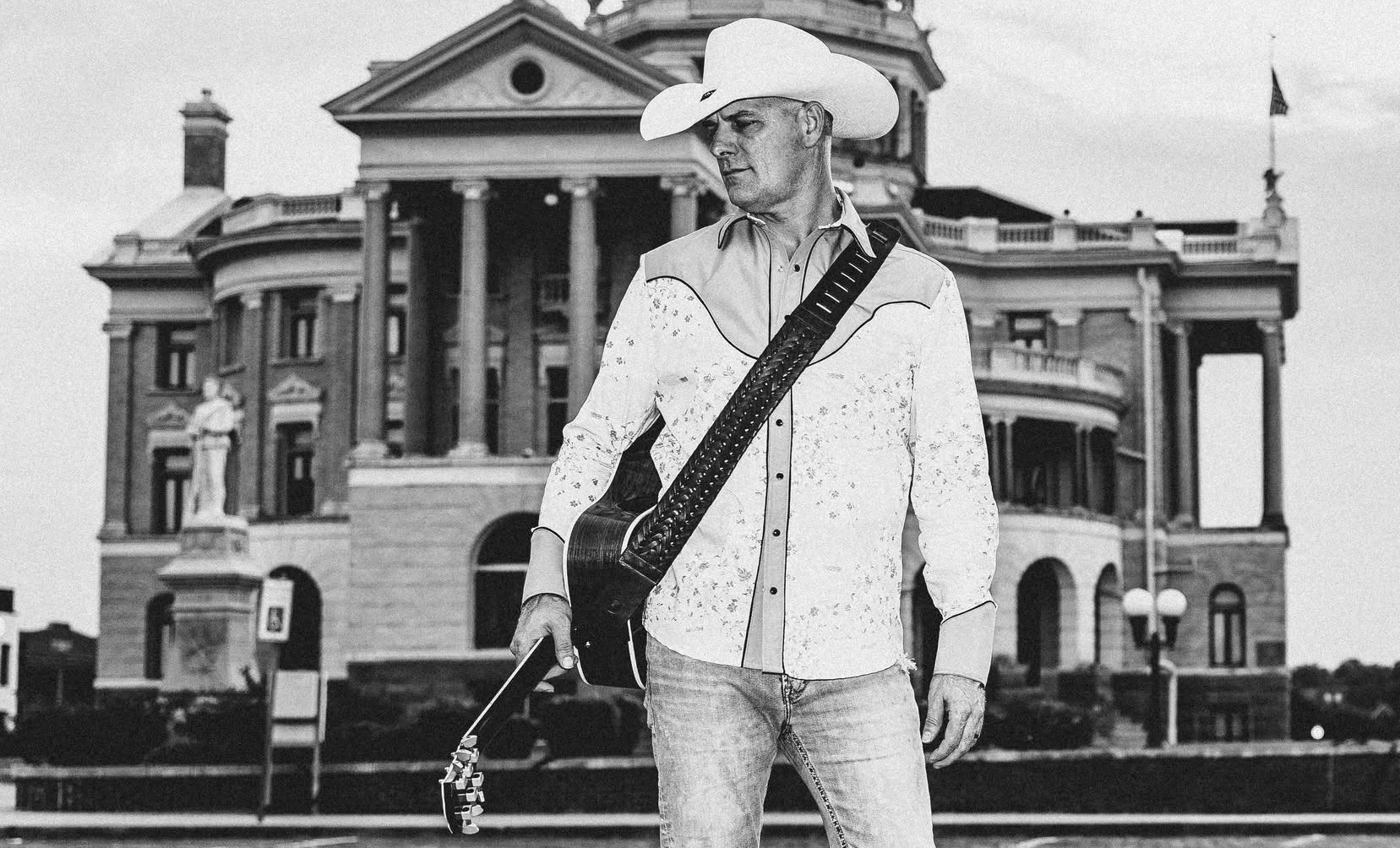
Some artists spend years trying to convince the world they are authentic. Anthony Bonnette never has to. Within minutes of hearing him speak, it becomes obvious that the East Texas songwriter approaches music the same way he approaches life, quietly, honestly, and without pretending to be anything he is not.
Growing up in Ore City, Texas, a small town between Dallas and Shreveport, Bonnette learned to appreciate simple things. His stories are rooted in familiar places, ordinary people, and emotions that never seem to go out of style. That perspective carries through every song he writes, making his catalog feel less like carefully crafted entertainment and more like conversations set to music.
When Press Play Radio Conversations opened with "Just a Heartache Ago," the response from the hosts mirrored what many listeners experience. The song immediately commands attention through understated delivery rather than dramatic excess. Bonnette revealed that he wrote it when he was only twenty two or twenty three years old, although it was not recorded until years later. While many writers eventually outgrow their earliest work, he explained that this song remained one of the few that continued to stand beside everything he has written since.
Perhaps the most surprising part of that story is that Bonnette admits he was a happy young man when he wrote such emotionally mature material. He credits years of listening to artists like George Jones and James Taylor for helping shape his songwriting instincts. The sadness listeners hear is balanced by hope, something he believes was always part of the song's message.
That appreciation for tradition extends beyond songwriting. When it came time to record "Just a Heartache Ago," Bonnette leaned on local bluegrass musicians to help build the arrangement. Their contributions became an essential part of the finished recording, giving the song the warmth and organic feel that defines much of his music.
Despite receiving attention from respected names connected to country music, including having Rodney Carrington record his song "Funny Man" on a project produced by Merle Haggard and Toby Keith, Bonnette speaks about those moments with remarkable humility. Rather than presenting them as career defining milestones, he simply appreciates knowing that artists he admires were able to hear his work and enjoy it.
That perspective carries over into how he views success itself.
Streaming has introduced his music to listeners throughout the United States and overseas, particularly in places like Ireland and Belgium. While many artists focus on the financial frustrations of streaming platforms, Bonnette sees something different. For him, the greatest reward is knowing that songs written by someone from a small East Texas town are reaching listeners across the world. Hundreds of thousands of Spotify streams still amaze him because they represent people hearing stories that began in places most of the world has never seen.
His relationship with songwriting is equally revealing.
Some songs arrive over months or even years, while others seem to appear almost fully formed. "Do You Want Better" belongs to the second category. Inspired simply by the title while working one day, the song came together in a single burst of creativity. Bonnette describes it as one of those rare compositions where the phrases and ideas appeared naturally instead of requiring the careful craftsmanship he usually depends upon. That unusual experience made the song especially meaningful to him.
The conversation eventually turned toward artificial intelligence, an issue that continues to reshape creative industries. Bonnette did not approach the topic with anger so much as disappointment. Songwriting, he explained, is the one thing he truly feels gifted at doing. Watching technology produce songs, lyrics, and even vocal performances forces artists to confront uncomfortable questions about originality and purpose.
His concern is not about technology itself. It is about preserving the value of genuine human expression. He hopes audiences will continue recognizing the difference between something generated by software and something created by people whose experiences give those songs their emotional weight.
Ironically, that humanity may be Bonnette's greatest advantage.
He speaks openly about reconnecting with his own songs whenever fans tell him what those songs have meant in their lives. After performing them hundreds of times, he admits they can almost begin to feel as though someone else wrote them. Hearing another person describe how a lyric helped them through a difficult season reminds him why he wrote it in the first place.
Away from the stage, Bonnette remains much the same person his audience hears in his music. He laughs about buying garage sale cassette tapes for the old Ford pickup that carried him through his teenage years, remembers Randy Travis as the soundtrack of those drives, and admits that quiet time behind the wheel often becomes his best opportunity to write new songs. Rather than filling the silence with other artists, he lets melodies develop naturally in his own mind.
Even his memories reveal a life grounded in family. He shared stories about growing up in a strict Christian household, laughing about rented movies that nearly ended after a single questionable word, while also recalling a recent dream in which his late grandmother visited him shortly after her passing. The moment was shared simply, without dramatic interpretation, but carried the same quiet sincerity that defines his songwriting.
Toward the end of the interview, Bonnette offered a glimpse of an unreleased song built around childhood discipline and family memories before closing with an impromptu performance of Brooks & Dunn's "Neon Moon." The performance served as a reminder that while he may write thoughtful originals, he also understands the timeless appeal of classic country music.
Today, Bonnette continues performing throughout Texas and surrounding states, favoring intimate venues where audiences can gather close enough to dance, sing along, and connect with the music without stadium sized ticket prices. It is a fitting choice for an artist who has never seemed interested in chasing spectacle.
Anthony Bonnette's music succeeds for the same reason the best country songs always have. It values honesty over polish, craftsmanship over trends, and human connection over manufactured perfection. In an era increasingly shaped by algorithms and automation, that may be exactly what makes his songs worth hearing.